
Smarter QA, faster development, higher performance
At YakTrak, our work sits at the intersection of behavioural consulting and technology. The following blog is based on a presentation by our Managing Director, Peter Grist at the APJ Independent User Group for Amazon Connect where he explored how we bring those two worlds together to build faster, smarter learning and development pathways across contact centres, retail environments and relationship-managed sales teams.
How AI, Amazon Connect and micro-behaviours can transform contact centre quality assurance
Automation is reshaping contact centres, but beneath the technology sits a deeper problem: How are organisations going to ensure they have the right people with the right skills in the future?
As simple enquiries become digitised, the remaining conversations will become more complex, emotional and high-stakes. These are the moments that shape how customers perceive your brand and they require capability, not scripts. Yet the “training ground” that once helped people build these skills is shrinking. New starters previously developed confidence on easier call types before progressing; now they enter at a steeper learning curve with fewer safe opportunities to practise.
This pattern is visible beyond contact centres. In law, for example, AI systems are absorbing paralegal work, leaving graduates fewer entry-level roles, requiring them to start with more challenging tasks. The overall message is clear: organisations will employ fewer people, but those people will need to develop more skill, more quickly.
Why QA hasn’t delivered the value we need
To understand how to build capability at the speed the industry now demands, we need to look at Contact Centre Quality Assurance. QA has always promised insight that can be used to develop teams, yet rarely delivers consistent behavioural change. Peter captured this bluntly:
“Quality assurance has never really worked the way we hoped it would. If you added up everything we’ve invested in QA and compared it to the impact, it can feel a bit like the airline industry – once you subtract the cost from the profit, you’re still in the red.”
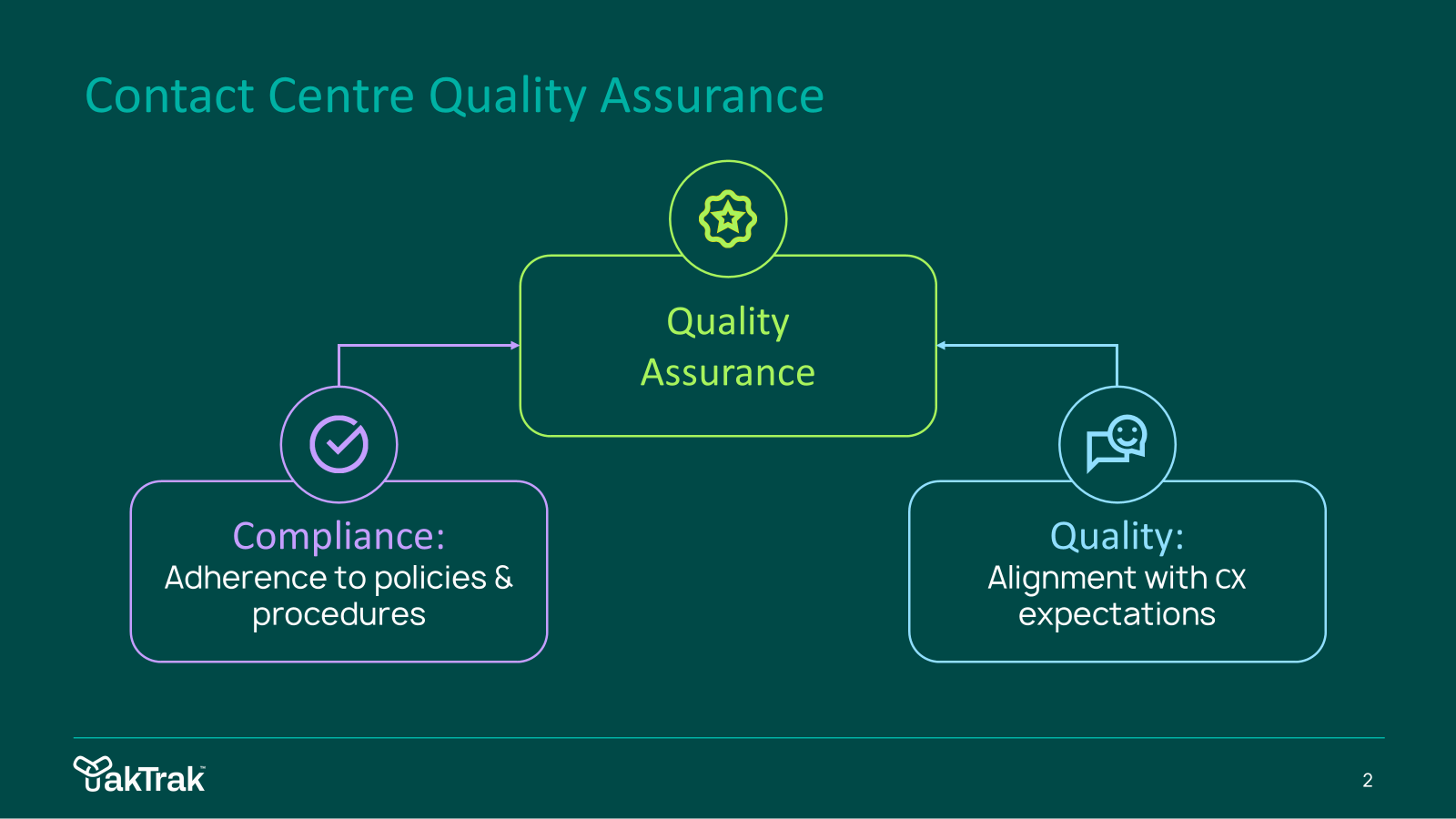
He emphasises it’s important to break QA into two key elements. The compliance element, which is about adherence to policies and procedures, and quality, which examines how well an interaction supports customer outcomes and strategic objectives. It’s the quality dimension that has historically struggled to provide the foundation for an effective coaching and development system.
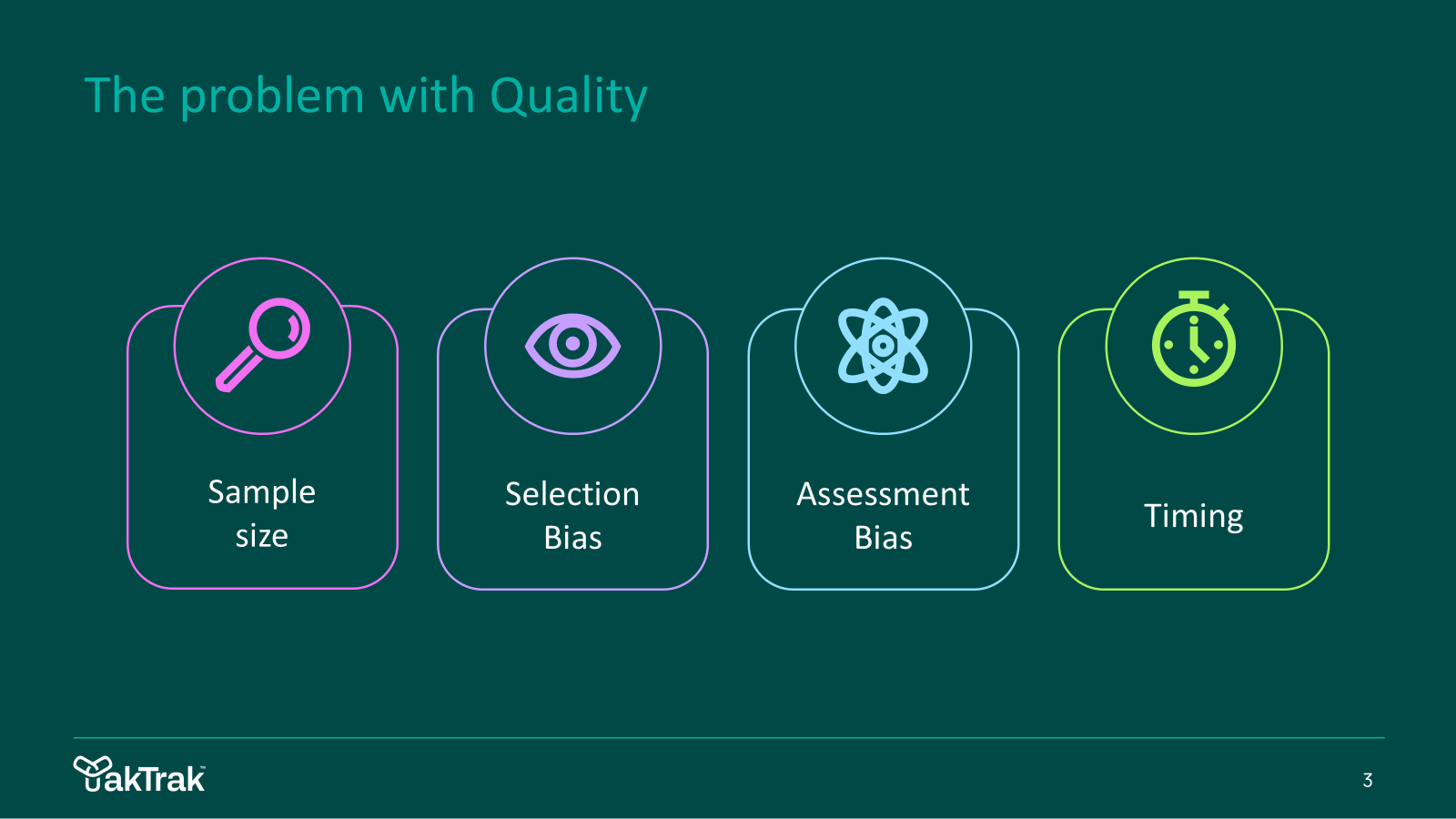
Small sample sizes lie at the heart of this problem. A consultant might take hundreds of calls in a month, yet only a handful are assessed. When leaders are under pressure, even this small number shrinks, often biased toward shorter calls that are easier to score. This means the interactions that matter most — complex, emotionally charged calls — are often left unexamined.
Assessment bias adds another layer. Despite calibration efforts, leaders interpret behaviours differently, leading consultants to hear mixed messages.
Peter explains:
“You can have one leader say a behaviour is fine and another say it’s unacceptable. Consultants don’t know what ‘good’ actually looks like.”
Timing also undermines the process. Feedback delivered weeks after a call rarely lands with impact; by then, consultants have forgotten the detail, the emotion and the decisions that shaped the interaction making improvement conversations feel abstract rather than useful.
From the consultant’s perspective, this creates a sense of being judged on fragments of their work, rather than understood in context. It shifts the conversation away from development and toward defensiveness — the opposite of what organisations need if they hope to build capability quickly and sustainably.
AI-assisted QA: solving the foundational problems
Fortunately, many of the structural problems in QA can now be solved through AI, especially for organisations using Amazon Connect. YakTrak’s recent work with clients such as nib — has shown that Connect’s AI can be trained to detect and assess the behaviours that drive the customer experience with a level of consistency that outperforms human evaluators. This removes the biggest structural barriers at once: limited sample sizes, selection bias, assessment bias and delayed feedback.
Peter explains the mindset shift through a simple analogy:
“Think back to John McEnroe arguing with umpires – his ‘You can’t be serious!’ became iconic. Then Hawk-Eye arrived. The moment the visual came on screen, everyone accepted the call and just got on with the game. That’s the opportunity we have now. Less arguing about scores, more focus on getting better on the next call.”
But improved accuracy alone doesn’t drive behavioural change. As Peter emphasises, “More data more frequenctly does not automatically create better behaviour.” Two questions remain essential: Are we getting the right kind of data? And can consultants act on it immediately?
Why the right data at the right time matters: adult learning theory
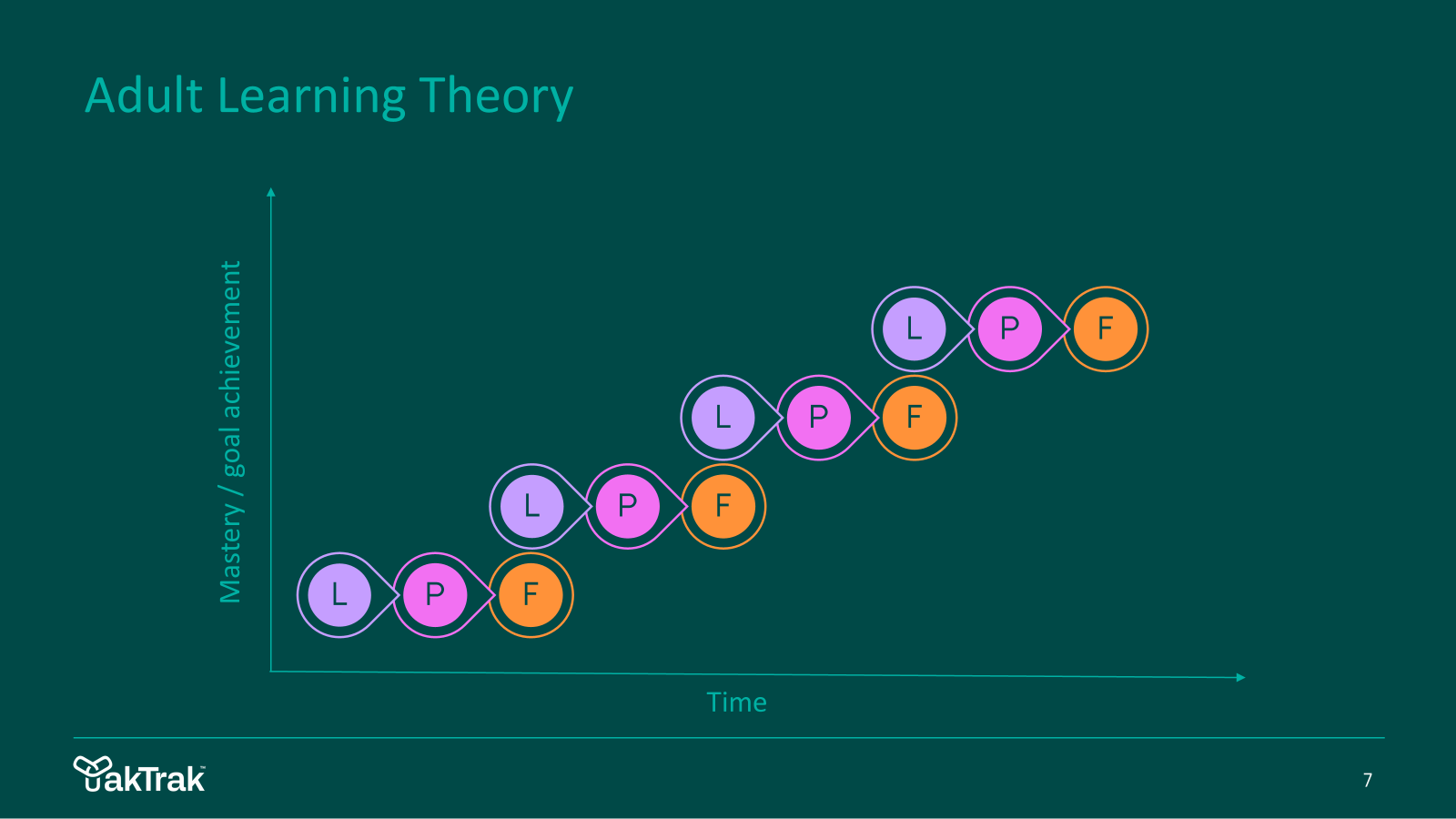
Adult learning theory is clear: people learn best through short cycles of learning, practising and receiving immediate feedback. These LPF cycles only work when the feedback is concrete and immediately actionable. Traditional QA breaks this cycle at every point — feedback arrives too late, is too broad, and doesn’t tell consultants exactly what to do differently on their next call.
Peter summarises it simply:
“If the data requires interpretation before I can act on it, the system breaks down.”
For LPF to work in the real world of contact centres, the data needs to surface very specific behaviours - the tiny, observable actions that consultants can apply straight away. This is where micro-behaviours become essential.
Micro-behaviours: small actions with outsized impact
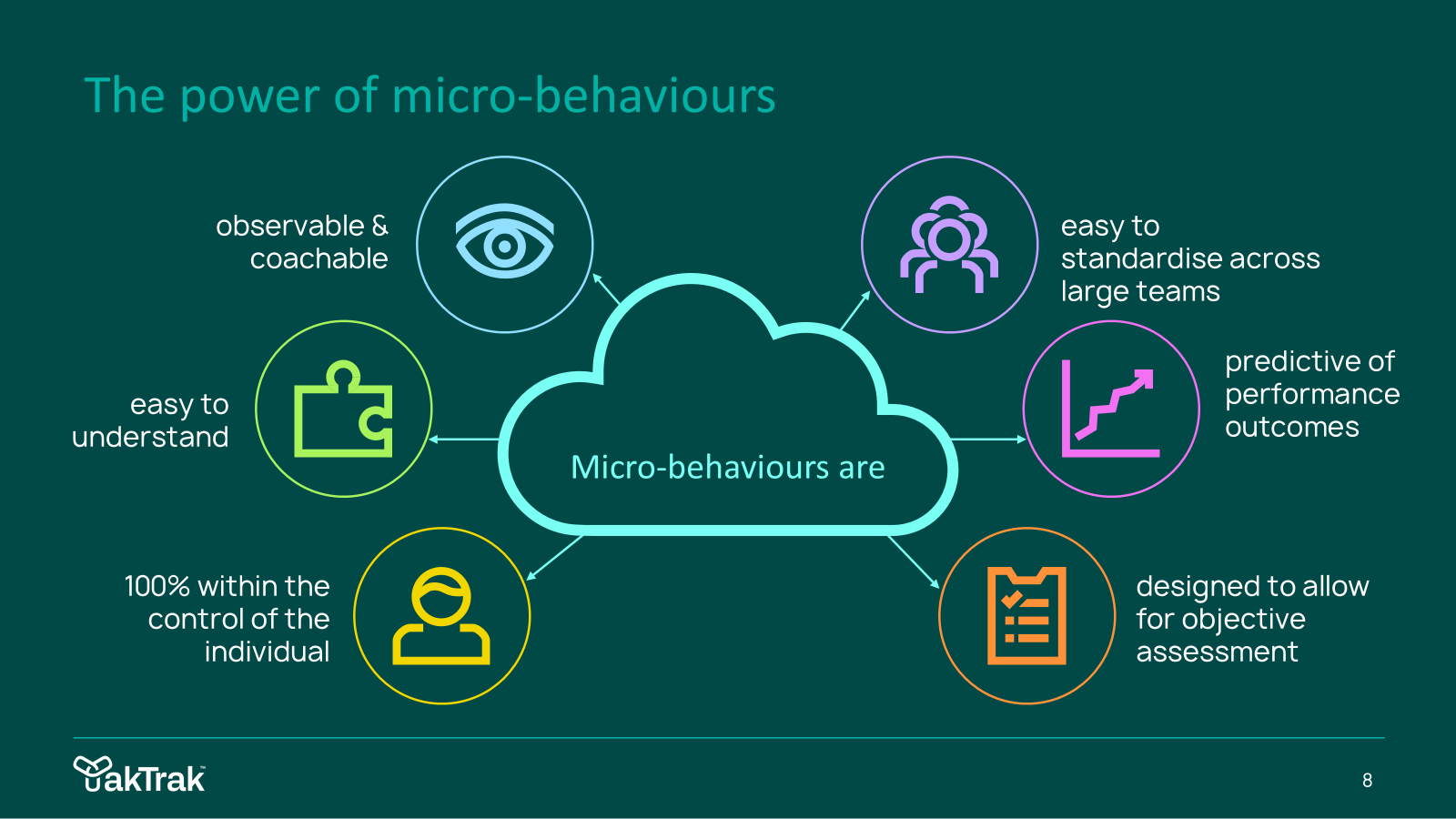
Micro-behaviours are small, repeatable, observable actions that strongly influence conversation quality and KPI outcomes such as AHT, FCR, CSAT and conversion. They are simple to recognise, easy to coach and fully within the consultant’s control.
Peter’s favourite example is one every parent knows:
“Manners. Tiny behaviours like ‘please’ and ‘thank you’ take seconds, but they have an outsized impact on communication and relationships.”
Customer conversations work the same way. They are sequences of micro-behaviours — using the customer’s name, clear confirmation of assistance, summarising key points, checking understanding — all of which determine whether a customer feels understood and trusts your recommendations and solutions.
YakTrak’s consulting team (originally GRIST) have been building micro-behaviour frameworks for more than more than 30 years. For each client, we tailor the behavioural framework to their brand, customer expectations and KPIs, then train Connect’s AI to assess these micro-behaviours at scale.
Bringing it to life: My Focus in YakTrak
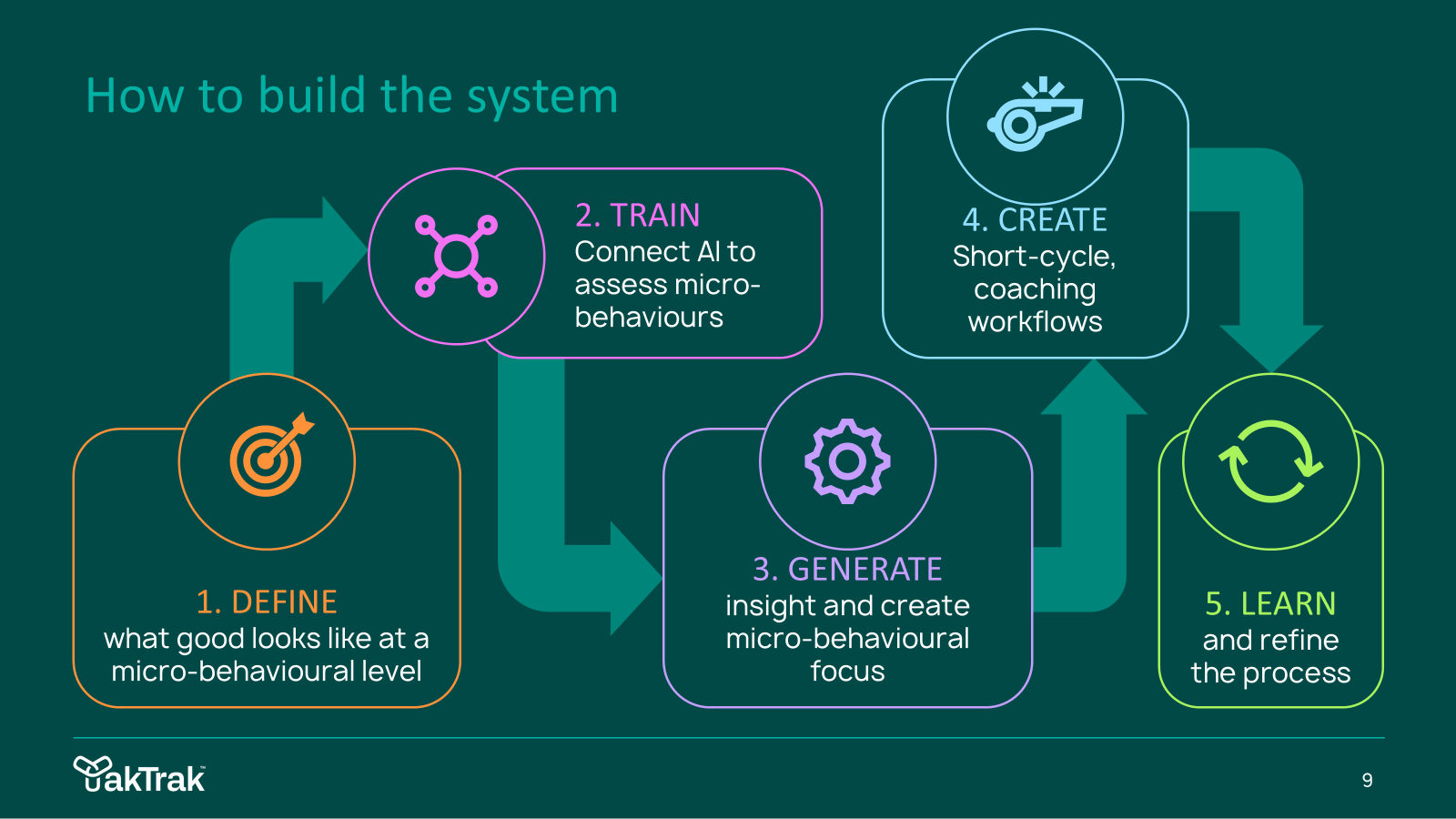
Once micro-behavioural data flows from Connect into YakTrak, we transform it into daily improvement through My Focus — a feature designed to turn development into a simple, consultant-led workflow.
Instead of receiving a QA score and trying to interpret it, consultants choose the KPI they want to improve. YakTrak then presents a targeted set of micro-behaviours — usually four or five — that most strongly influence that KPI.
They select the behaviour they want to lift and set clear, measurable targets. For example, one consultant recently shifted their call opening from the tentative “I’ll try to help” to “My job is to get this sorted out for you today, and I’m going to take you through a process to make sure we get that done.”
Consultants set both behavioural and KPI goals, create short daily objectives and begin applying the behaviour immediately. At the end of the day, new data shows whether they are trending in the right direction. My Focus charts progress and helps them adjust tomorrow’s approach without waiting for a coaching session.
Leaders still play a critical role — especially weekly and monthly — but the day-to-day growth belongs to the consultant. As Peter notes:
“At nib, we saw consultants checking My Focus daily without any prompting. Development became a habit.”
The impact at scale
Once embedded, the system accelerates. Consultants build confidence through daily progress. Leaders can focus on coaching rather than worrying about getting their contact evaluations done. And YakTrak’s machine learning deepens the insight over time, identifying which behaviours drive outcomes in each environment and how different people learn best.
This is the kind of insight expert coaches develop intuitively — now delivered at scale, consistently and in real time.
Bringing it all together
We’re entering a period where the organisations that succeed will be those that build capability faster than the pace of change. AI-assisted QA gives us reliable, unbiased data. Micro-behaviours turn that data into clear, actionable guidance. And YakTrak enables the daily learn–practice–feedback cycles that build the skills needed for the conversations that matter most.
If you’d like to explore how this could work in your environment, the YakTrak team would be happy to walk you through it.